

Cracks above windows and doors can be unsettling. At first, they may look like a small plaster crack or a minor line in the brickwork. Over time, that same crack can widen, return after repairs, or start spreading from the corner of the opening. When this happens, many homeowners and construction professionals ask the same question: is this lintel failure?
A lintel is the structural support above a window, door, garage opening, or similar gap in a wall. Its job is to carry the weight above the opening and transfer that load into the masonry on either side. When the lintel weakens, moves, corrodes, or no longer has enough support, the wall around it often starts to crack.
In many cases, cracks above window lintel areas are more than cosmetic. They may point to stress in the wall, movement in the building, moisture damage, or a lintel that is no longer performing as it should. For homeowners, this can affect safety, property value, and peace of mind. For builders, inspectors, and construction companies, it can indicate a structural issue that needs the right repair method.
Thor Helical provides masonry reinforcement and lintel repair solutions for South African buildings. The aim is not simply to hide cracks, but to strengthen the masonry and help restore long-term stability with less disruption than major rebuilding.
What Is a Lintel and Why Does It Matter?
A lintel is a beam or reinforced section placed above an opening in a wall. It may be made from reinforced concrete, steel, masonry, stone, or timber in older structures. Although it is often hidden behind plaster, brickwork, or finishes, it plays an important role in the wall’s strength.
Every window or door creates a break in the wall. Without a lintel, the masonry above the opening would not have enough direct support. The lintel bridges the gap and spreads the load into the surrounding wall. This helps prevent sagging, cracking, and collapse above the opening.
When a lintel works correctly, you may never think about it. When it fails, the signs often appear around the opening. A crack may start at the top corner of a window. Brickwork may drop slightly above a door. Mortar joints may open. In some cases, rust stains may appear where a steel lintel has started to corrode.
The Brick Industry Association notes that lintels must be properly designed for the loads they carry, and that cracks above masonry openings can result from excessive deflection or inadequate lintel design. In plain English, if the lintel bends too much or was not suited to the load, the wall above it can crack.
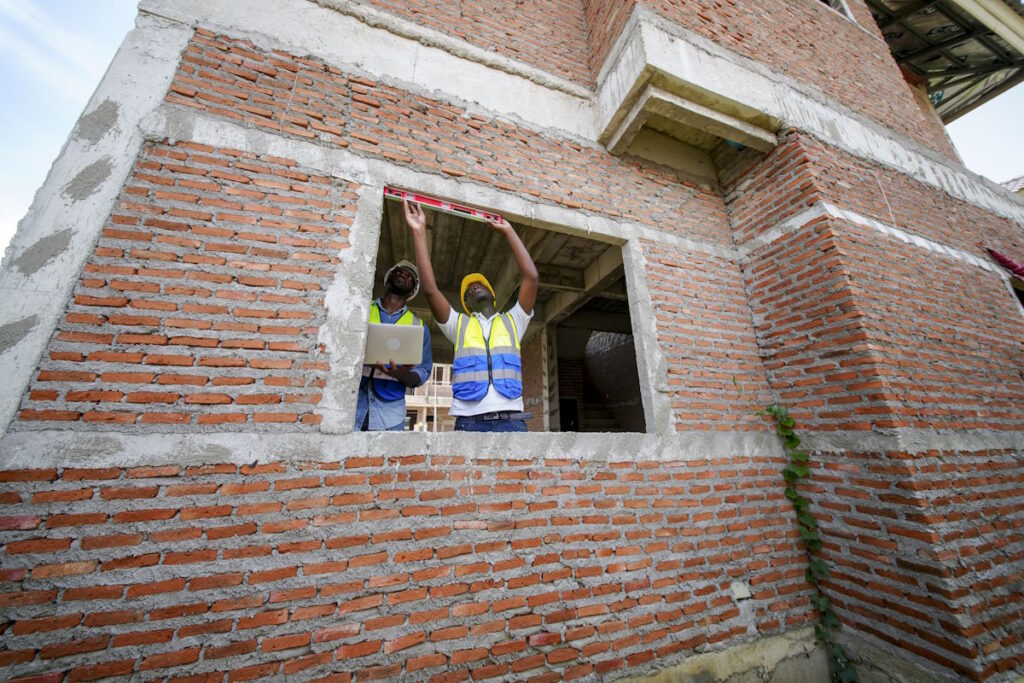
Are Cracks Above Windows and Doors Always Lintel Failure?
Cracks above windows and doors are not always caused by lintel failure. However, they should always be taken seriously because openings are natural stress points in a masonry wall.
A crack above an opening may be caused by the lintel itself, but it can also come from foundation movement, thermal expansion, moisture, poor workmanship, wall tie failure, or changes made during renovations. For example, if a window opening was widened without proper structural support, cracks may appear even if the rest of the wall seems sound.
This is why crack pattern matters. A fine plaster crack with no movement may be less concerning than a diagonal crack rising from the corner of a window. A crack that keeps returning after patching often means the underlying cause has not been fixed.
Thor Helical’s guide to crack causes and helical repair solutions explains that different crack patterns can point to different problems. Diagonal cracks near openings may suggest lintel failure or wall movement, while stepped cracks can point to settlement or movement through the masonry joints.
Common Warning Signs of Lintel Failure
Lintel failure usually shows itself through visible movement in the masonry around an opening. The signs can be subtle at first, especially on plastered walls, but they often become easier to identify as the issue develops.
The most common warning signs include diagonal cracks from the top corners of windows or doors, horizontal cracks along the lintel line, stepped cracks in the brickwork, sagging masonry above the opening, rust stains, and gaps between the wall and frame. Doors or windows may also start sticking if the opening has shifted.
A crack that appears above one window may be localised. Several similar cracks across the same elevation can point to a broader issue, such as wall movement, poor lintel installation, moisture exposure, or repeated construction weakness.
Rust staining is especially important. In buildings with steel lintels, moisture can lead to corrosion. As steel corrodes, it expands and places pressure on the surrounding masonry. This pressure can force mortar joints open and crack brickwork or plaster.
Did You Know?
Steel can expand as it rusts. Inside a wall, even a small amount of corrosion can create enough pressure to crack surrounding masonry.
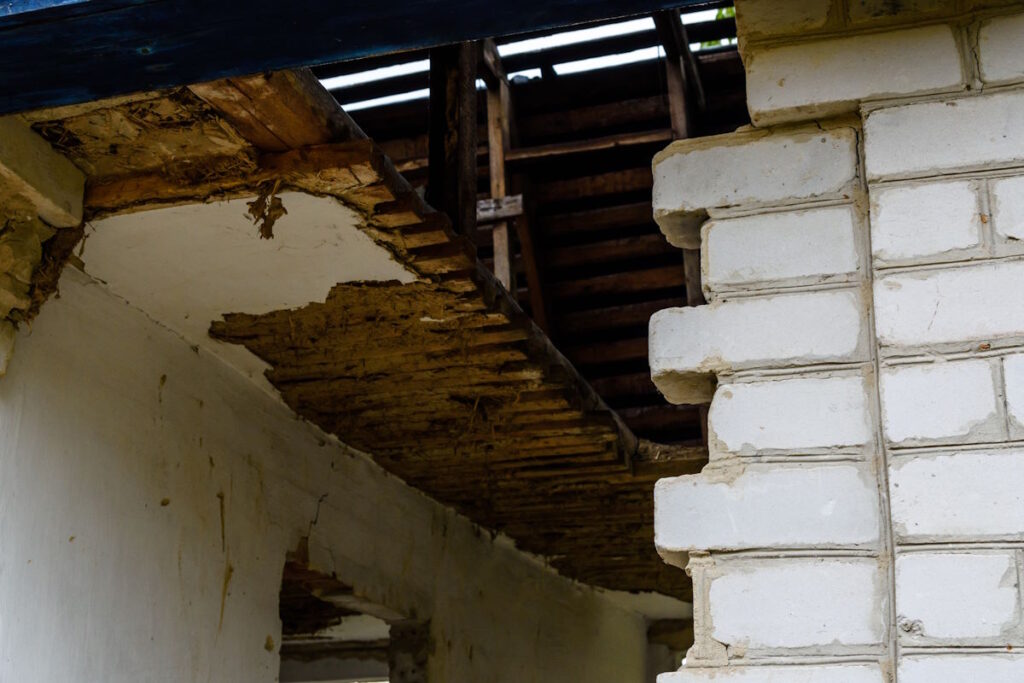
What Causes Lintel Failure in South African Buildings?
South African buildings face a range of conditions that can affect lintels and masonry. Strong sun, seasonal rain, coastal air, soil movement, ageing materials, and earlier construction methods can all play a role.
Moisture is one of the most common causes. Water can enter through cracked plaster, failed sealant, poor flashing, roof leaks, or open mortar joints. Once moisture reaches steel or reinforced concrete, corrosion can begin. Over time, this weakens the lintel and increases pressure inside the wall.
Poor installation can also cause lintel problems. A lintel needs enough bearing on both sides of the opening. Bearing is the area where the lintel rests on the supporting masonry. If the lintel is too short, badly positioned, or sitting on weak masonry, it may not transfer loads properly.
Foundation settlement is another possible cause. If the building moves unevenly, stress often appears at wall openings because these areas are weaker than solid wall sections. In this case, the crack may show above the window, but the root cause may be movement below the wall.
Thermal movement can also contribute. Masonry expands and contracts as temperatures change. If the wall has limited movement joints, poor reinforcement, or existing weakness around openings, cracks may form near lintel level.
For construction companies, these details matter. A lintel problem is not only about the visible beam. It is about the full load path, the condition of the surrounding masonry, the way moisture moves through the wall, and whether the opening was built or altered correctly.
When Should You Worry About a Crack Above an Opening?
Not every crack means a building is unsafe, but some cracks need prompt inspection. The safest rule is to pay attention to cracks that change, widen, return after repair, or appear with other symptoms.
You should arrange an inspection if you notice:
- A diagonal crack from the corner of a window or door
- Sagging brickwork above an opening
- Rust stains, damp marks, or loose mortar
- A crack that keeps widening or returning after patching
- Windows or doors that suddenly stick or distort
These signs do not always confirm lintel failure, but they do show that the wall needs proper assessment. Filling the crack without checking the cause may only hide the symptom for a short time.
For homeowners, early inspection can prevent a small repair from becoming a larger structural problem. For builders and property managers, it can reduce repeat defects, client concerns, and avoidable remedial work.
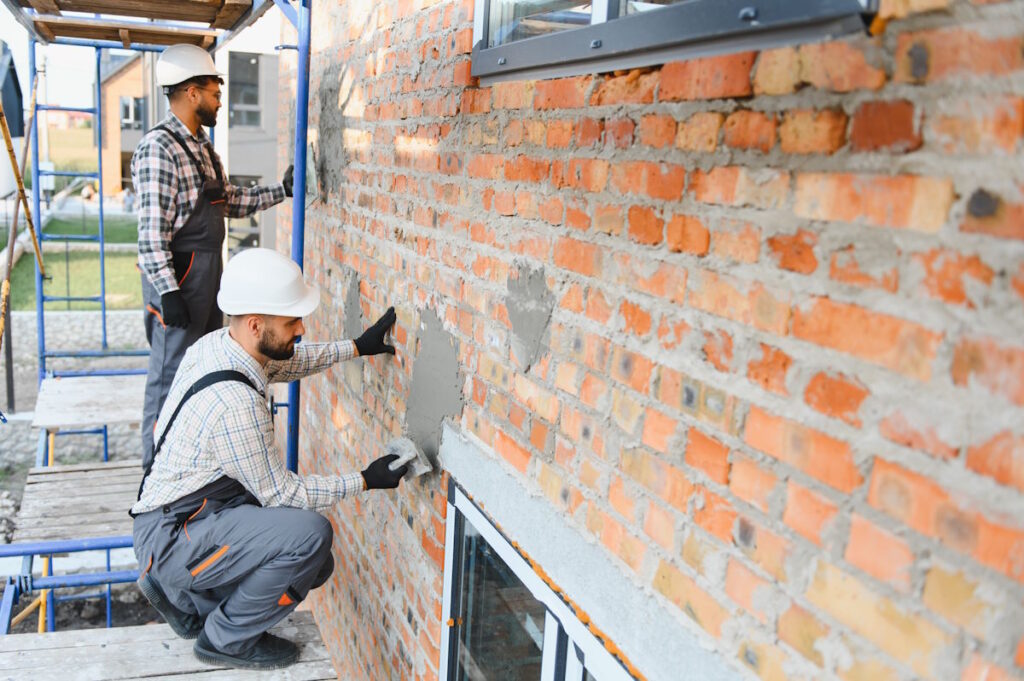
Can You Just Fill the Crack?
A crack above a window or door should not be treated as a cosmetic issue until the cause is known. Filler, plaster, or paint may improve the appearance, but they will not stop movement in the wall.
If the lintel has deflected, corroded, lost bearing, or failed to support the masonry properly, the crack is likely to come back. The same applies if the surrounding wall is moving due to settlement or thermal stress.
A proper repair starts with diagnosis. The contractor or specialist needs to understand where the crack starts, how wide it is, whether it is active, what type of lintel is present, and whether moisture is involved. In some cases, a structural engineer may need to assess the wall, especially on large openings, commercial buildings, or load-bearing walls.
Once the cause is clear, the repair can target the problem rather than the surface damage.
How Helical Lintel Repair Works
Helical lintel repair strengthens the masonry above an opening by installing stainless steel helical bars into selected mortar bed joints. These bars are bonded into the wall with specialist grout, helping the masonry act as a reinforced beam across the opening.
This method can often repair and strengthen the lintel zone without removing large sections of brickwork. It is especially useful where the goal is to reinforce the existing masonry, control cracking, and improve load distribution.
Thor Helical’s masonry lintel repair solutions are designed to support structural repair with minimal disruption. Instead of treating the crack as a surface flaw, the system strengthens the wall where the stress is occurring.
The exact repair design depends on the building. Factors such as wall type, opening width, crack pattern, lintel condition, and load above the opening all matter. A narrow residential window may need a different approach from a wide commercial opening or a heavily loaded wall.
Lintel Repair vs Lintel Replacement
Many people assume that lintel failure always means the lintel must be removed and replaced. Sometimes that is true, but not always.
Lintel replacement may be needed when the existing lintel has badly deteriorated, lost its bearing, or can no longer support the load safely. It may also be required where the opening has been altered, the wall is unstable, or a competent professional recommends full replacement.
In other cases, reinforcement may be the more practical option. Helical reinforcement can strengthen the masonry above the opening and help form a reinforced load-bearing zone. This can reduce disruption, limit damage to surrounding finishes, and avoid unnecessary rebuilding where the wall can be repaired.
The right choice depends on assessment. A good repair should answer three questions clearly: what caused the crack, how is the load being supported, and what will stop the problem from returning?
What Homeowners Should Do First
If you notice cracks above a window or door, start by observing the crack carefully. Take a clear photo, record the date, and check whether it changes over time. Look for damp marks, rust stains, loose plaster, or gaps around the frame.
Avoid repeated patching before the cause is checked. A crack that comes back is giving you useful information. Covering it again and again can delay the correct repair.
You should also avoid DIY structural work around lintels. Cutting into masonry above an opening can be risky because that part of the wall may be carrying load. If the crack looks active, diagonal, wide, or linked to sagging, contact a masonry repair specialist.
What Builders and Inspectors Should Check
For construction professionals, cracks above openings should be assessed as part of the full wall system. The lintel is important, but it is not the only factor.
Useful checks include the lintel span, bearing length, mortar condition, surrounding masonry strength, moisture paths, wall tie condition, and whether any later alterations changed the load path. It is also worth checking whether similar cracks appear above other openings, as this may show a repeated construction or movement issue.
South African building work should be considered alongside the applicable National Building Regulations and SANS 10400 standards. The National Building Regulations and Building Standards Act provides the legal framework for building standards in South Africa. Where structural behaviour is unclear, a competent person such as a structural engineer should be involved.
Why Early Lintel Repair Matters
Cracks above windows and doors rarely fix themselves. If the cause continues, the crack may widen, water may enter the wall, and the masonry may weaken further.
Early repair can protect the building from more expensive damage. It can also help preserve the appearance of the property, prevent repeat plaster repairs, and reduce concern during inspections or property sales.
For construction companies, early repair also helps manage risk. A visible crack above an opening can affect client confidence, delay handover, or lead to repeated call-backs if the root cause is not addressed.
Thor Helical helps by offering masonry reinforcement systems that are designed to strengthen damaged walls and lintel zones in a practical, less invasive way.

FAQ: Cracks Above Windows and Doors
Why is there a crack above my window or door?
A crack above a window or door often appears because the opening is a stress point in the wall. It may be caused by lintel failure, wall movement, foundation settlement, moisture, corrosion, or poor installation.
Does a diagonal crack above a window mean lintel failure?
A diagonal crack can point to lintel failure, but it can also be linked to settlement or movement in the surrounding wall. The crack pattern should be inspected before choosing a repair.
Are cracks above window lintel areas serious?
They can be. Some cracks are minor, but cracks above window lintel areas may signal that the wall is not being supported properly. Widening cracks, sagging masonry, rust stains, or sticking windows should be checked.
Can a cracked lintel be repaired without replacing it?
Yes, in many cases. Helical reinforcement can strengthen the masonry above the opening and help create a reinforced beam. Severe deterioration may still require lintel replacement.
Who should inspect cracks above windows and doors?
A masonry repair specialist can assess many lintel-related cracks. For large openings, commercial buildings, active movement, or complex structural concerns, a structural engineer may also be needed.
Conclusion: Do Not Ignore Cracks Above Window Lintel Areas
Cracks above windows and doors are often the first visible sign that something in the wall is under stress. The cause may be lintel failure, corrosion, poor bearing, moisture, settlement, or movement in the surrounding masonry. Whatever the cause, surface filling alone is rarely enough if the crack is active or structural.
The right repair starts with understanding the problem. Once the cause is clear, masonry reinforcement can often restore strength without major rebuilding. Thor Helical’s helical lintel repair systems help strengthen the wall above openings, control cracking, and support long-term stability.
If you have noticed cracks above window lintel areas, diagonal cracks from window corners, or movement above doors, get expert advice before the damage spreads.
Visit Thor Helical to learn more about masonry repair solutions, or contact Thor Helical for guidance on the right lintel repair approach for your building.